
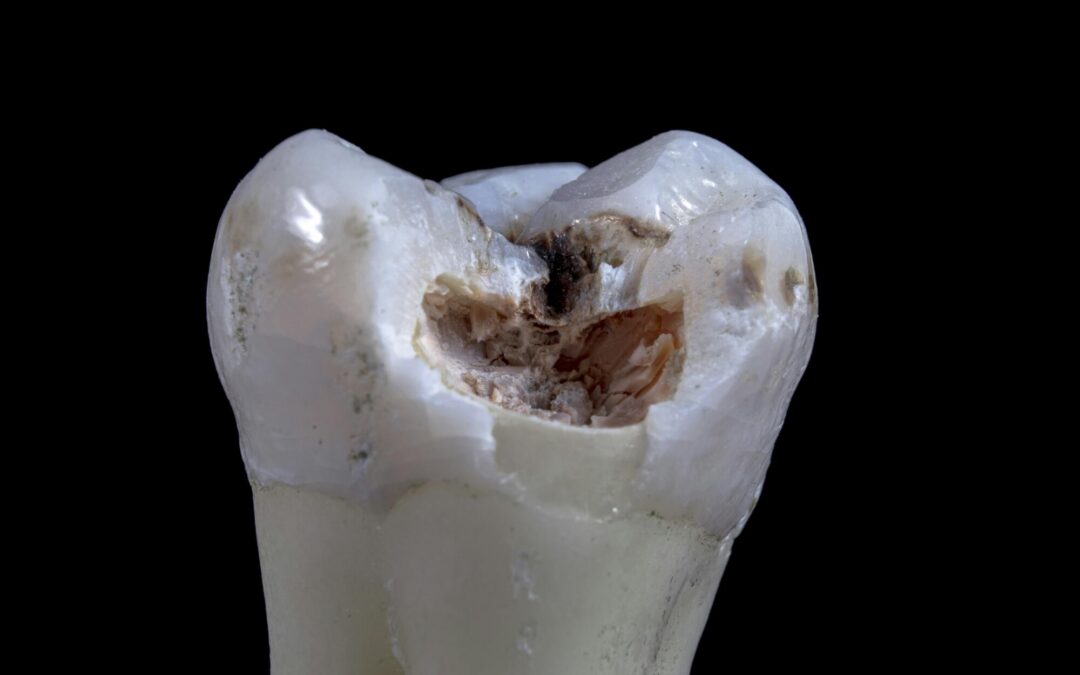
An infant chipped tooth can be alarming, especially when it happens during a fall, a first step, or an unexpected tumble. The good news is that most minor chips are not life-threatening, and there are several steps parents can take at home to keep their child comfortable until they can see a dentist.
According to the Head Start resources, oral injuries are common during childhood as mobile infants learn to crawl, walk, run, and play. Knowing how to respond quickly can help protect the tooth and reduce complications.
A calm response, careful observation, and prompt dental evaluation are often the most important parts of managing a dental emergency.
What Should You Do Immediately After an Infant Chipped Tooth?
The first few minutes after an infant chipped tooth are important. Your child may be crying more from the surprise of the fall than from the injury itself.
Start by checking for bleeding, swelling, and signs of other injuries. Look closely at the lips, gums, tongue, and cheeks.
Then follow these steps:
- Stay calm
- Comfort your child
- Check for bleeding
- Rinse with water
- Look for tooth fragments
- Call your pediatric dentist
If you find a broken piece of the tooth, save it if possible. While baby teeth are often treated differently from adult teeth, the fragment may help your dentist evaluate the injury.
How Can You Tell Whether the Chip Is Serious?
Not every chipped tooth requires urgent treatment, but some signs indicate a more significant injury.
A minor chip may affect only the outer enamel and cause little discomfort. Larger fractures can expose deeper layers of the tooth.
Watch for:
- Persistent bleeding
- Significant swelling
- Difficulty eating
- Extreme sensitivity
- Dark discoloration
- Loose tooth movement
One concern is exposed primary dentin, the layer beneath the enamel. When dentin becomes exposed, children may experience increased sensitivity to temperature and pressure.
The larger the chip, the more important it becomes to have the tooth evaluated promptly.
How Can You Keep Your Child Comfortable at Home?
Parents often worry about providing safe infant dental pain relief while waiting for an appointment.
Fortunately, there are several simple ways to improve comfort.
- Offer cold water
- Use a cold compress
- Serve soft foods
- Avoid hot beverages
- Avoid crunchy snacks
- Monitor discomfort
Cold compresses placed gently against the cheek can help minimize swelling. Soft foods such as yogurt, applesauce, and mashed vegetables are often easier for children to tolerate after an injury.
Avoid letting your child chew on the injured side until a dentist has evaluated the tooth.
Why Is Professional Evaluation Still Important?
Even when the injury appears minor, baby teeth play an important role in speech development, eating, and guiding permanent teeth into proper position.
Some injuries affect structures below the surface that parents cannot see during a home examination.
Dental professionals follow a pediatric mouth trauma protocol designed to evaluate both visible and hidden damage. This process helps identify problems before they become more serious.
Many dental injuries also involve surrounding tissues. Swelling, bruising, or damage to nearby teeth may not become obvious until several hours after the accident.
If your child has experienced a fall that resulted in a chipped tooth, your dentist may recommend a visit even if the tooth appears stable.
Parents can learn more about common childhood dental concerns through resources about baby teeth health and early oral development.
What Happens If the Inner Tooth Is Exposed?
Some fractures extend deeper into the tooth and may require treatment to protect sensitive internal structures.
When damage reaches the center portion of the tooth, dentists focus on baby tooth pulp protection. The pulp contains nerves and blood vessels that help keep the tooth healthy.
Signs of deeper injury may include:
- Pink coloration
- Red spots
- Persistent pain
- Increased sensitivity
- Visible inner tissue
Prompt evaluation helps determine whether protective treatment is necessary. In many cases, conservative treatment can preserve the tooth until it naturally falls out. Early care often helps prevent more complex treatment later.
When Should You Seek Emergency Care?
Most chipped baby teeth can wait for a same-day or next-day dental appointment. However, some situations require immediate attention. Contact a dental professional right away if your child experiences:
- Uncontrolled bleeding
- Facial swelling
- Difficulty breathing
- Difficulty swallowing
- A knocked-out tooth
- Severe pain
These symptoms may indicate a more serious injury that requires urgent care. Preparing children for dental visits before emergencies occur can also reduce anxiety. Many parents find helpful guidance in resources about kids dental checkups and pediatric dental visits.
Frequently Asked Questions
Will a Chipped Baby Tooth Heal on Its Own?
Unlike cuts or bruises, chipped enamel does not grow back. However, many small chips do not require extensive treatment. Your dentist can determine whether smoothing, bonding, or monitoring is appropriate.
Can a Chipped Baby Tooth Affect Adult Teeth?
In some cases, significant trauma may affect the developing permanent tooth beneath the gums. Early evaluation helps identify potential concerns and monitor future development.
Should I Brush Around the Injured Tooth?
Yes. Gentle brushing helps keep the area clean and reduces bacterial buildup. Use a soft-bristled toothbrush and avoid excessive pressure around the injured area.
Can My Child Use a Pacifier After a Chipped Tooth?
Many children can continue using a pacifier if it does not cause discomfort. If sucking appears painful, contact your pediatric dentist for guidance.
How Long Does Recovery Usually Take?
Recovery depends on the severity of the injury. Minor chips may cause sensitivity for only a few days, while larger injuries may require follow-up appointments and longer monitoring.
Helping Your Child Recover After an Infant Chipped Tooth
An infant chipped tooth can feel frightening in the moment, but quick action and proper follow-up care can make a significant difference. Staying calm, protecting the injured tooth, and scheduling a professional evaluation help support the best possible outcome.
At Kentuckiana Pediatric Dentistry, our team focuses exclusively on children, teens, and patients with special healthcare needs. We provide gentle care, kid-friendly treatment environments, preventive services, and emergency evaluations designed specifically for young patients. Our experience treating childhood dental injuries helps families feel confident when unexpected accidents happen.
Schedule an appointment today if your child has experienced an infant chipped tooth and needs professional evaluation.
Recent Comments