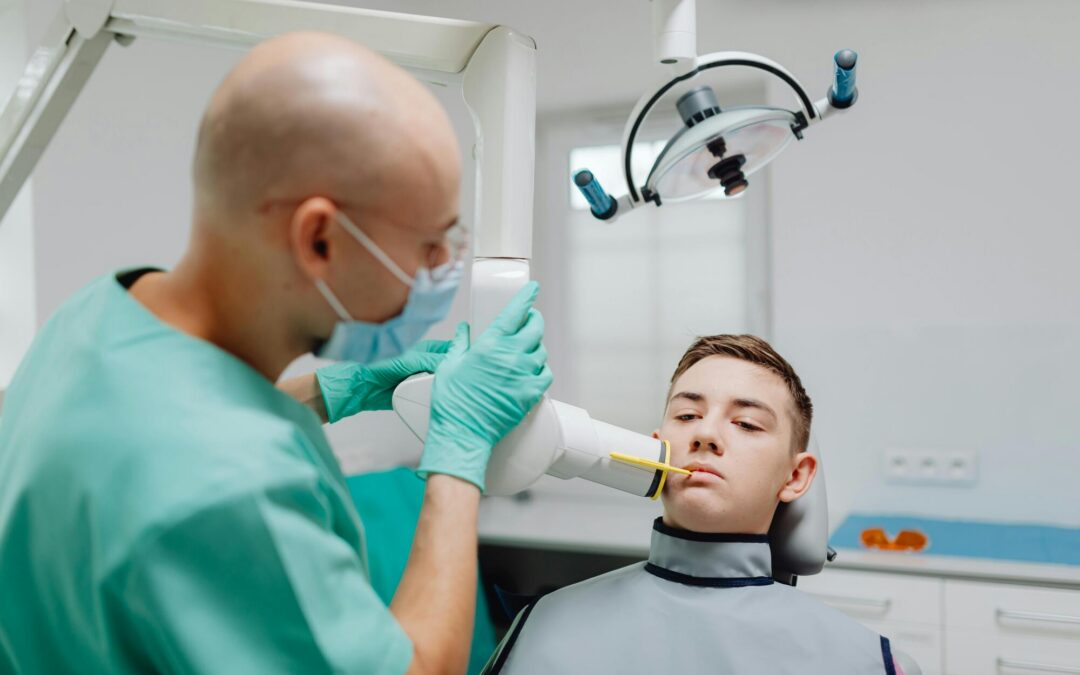
Oral conscious sedation is generally considered safe for children when administered by trained professionals who follow strict guidelines, including proper dosing, medical screening, and continuous monitoring. Most children remain awake but deeply relaxed, and serious complications are rare when safety protocols are followed. For many families, it provides an effective way to reduce anxiety and ensure smoother dental procedures.
Did you know that the American Academy of Pediatric Dentistry reports that sedation is commonly used to help children tolerate necessary dental care safely? Are you worried about how your child will handle an upcoming dental visit? Oral conscious sedation is one approach designed to ease fear while maintaining safety.
What Is Oral Conscious Sedation and How Does It Work?
Oral conscious sedation is a method used in sedation dentistry to help children feel calm during dental visits. It’s simple to use and does not require needles, which makes it a preferred option for many families.
- Liquid or pill administration
- Relaxed but awake state
- Different from general anesthesia
Liquid or Pill Administration
Dentists give oral conscious sedation in liquid form or as a pill, depending on the child’s age and needs. The medication is taken before the appointment, giving it time to work. It enters the bloodstream and begins to reduce anxiety.
Relaxed but Awake State
Children stay awake during the procedure but feel sleepy and calm. Many won’t remember much afterward, which helps lower fear around future visits. They can still respond to simple instructions from the dentist.
Different From General Anesthesia
Oral conscious sedation is not the same as general anesthesia. Children do not lose consciousness or require breathing support. It’s considered one of the safer sedation options used in dental sedation for kids.
Why Dentists Recommend Sedation for Children
Dentists often suggest sedation when a child may struggle to stay calm or still during treatment. It helps create a smoother visit and lowers stress for both the child and the dental team. In many cases, it allows needed care to move forward without delays or added discomfort.
- Severe dental anxiety
- Special healthcare needs
- Long or complex procedures
- Young age and limited cooperation
Severe Dental Anxiety
Some children feel intense fear at the dentist. Even simple procedures can feel overwhelming. Dental sedation for kids helps ease that fear and allows the child to relax during treatment.
Special Healthcare Needs
Children with certain medical or developmental conditions may find it hard to sit still or follow directions. Sedation can make the experience more manageable and support better outcomes in children’s dental care.
Long or Complex Procedures
Certain treatments take more time and focus. Sedation helps children stay comfortable for longer periods. It reduces movement and allows the dentist to work more efficiently.
Young Age and Limited Cooperation
Very young children may not yet have the ability to remain still for care. In pediatric dentistry, sedation is often used to help them receive treatment safely without distress.
Safety of Oral Conscious Sedation in Pediatric Dentistry
Parents often ask if sedation is safe for their child. In pediatric dentistry, oral conscious sedation has a strong safety record when handled by trained professionals who follow established guidelines. Careful planning and close monitoring help reduce risks and support a smooth experience.
- Pre-sedation medical evaluation
- Trained professionals and strict protocols
- Continuous monitoring during treatment
Pre-Sedation Medical Evaluation
Before any procedure, the dental team reviews the child’s health history. They look at weight, medications, allergies, and past reactions to sedation. This step helps determine if oral conscious sedation is appropriate and allows the dentist to choose the right dosage.
Trained Professionals and Strict Protocols
Dentists who provide sedation dentistry complete advanced training. They follow clear safety standards set within pediatric dentistry. Each step follows a structured process to keep care consistent and controlled.
Continuous Monitoring During Treatment
During the procedure, the child’s breathing, heart rate, and oxygen levels are tracked at all times. Equipment stays in place to detect any changes early. These measures support safe sedation options and allow the team to respond quickly if needed.
Potential Risks and Side Effects Parents Should Know
After sedation, children may feel sleepy or a bit unsteady. Some experience nausea or mild irritability as the medication wears off. These effects usually pass within a few hours and don’t require treatment.
In rare cases, breathing or heart rate changes can occur. These risks are low, especially when safe sedation options are used under proper supervision. Trained providers watch for any signs of trouble during the procedure.
Parents play a key role in safety. Following feeding restrictions and post-visit guidance helps reduce unwanted effects. Clear communication with the dental team supports a safer experience in sedation dentistry.
Frequently Asked Questions
Is Oral Conscious Sedation Suitable for All Children?
Not every child is a good candidate for oral conscious sedation. Age, weight, and overall health all play a role.
Children with certain medical conditions or airway concerns may need a different approach. A dentist trained in pediatric dentistry will review each case before making a recommendation.
How Long Do the Effects of Sedation Last?
The effects can vary from one child to another. Most children feel drowsy for a few hours after the procedure.
In some cases, mild grogginess can last into the evening. Rest and quiet activities are usually recommended for the remainder of the day.
Are There Alternatives to Oral Conscious Sedation?
Other safe sedation options include nitrous oxide, often called laughing gas, and IV sedation. Nitrous oxide works quickly and wears off fast. IV sedation provides a deeper level of relaxation and is often used for more involved procedures.
Safe Sedation Dentistry
Oral conscious sedation offers a safe and effective way to help children stay calm during dental visits when handled by trained professionals.
At Kentuckiana Pediatric Dentistry, we proudly serve families in Shepherdsville and Mt. Washington with care designed just for children. Our team focuses on creating a calm, welcoming space where kids feel at ease from their first visit. With advanced training in pediatric dentistry, Dr. Mitchell provides specialized care that supports healthy smiles and helps build positive dental habits for life.
Get in touch today to find out how we can help with your child’s dental journey.
Recent Comments